
The Woman Who Invented the First University: The Legacy of Fatima al-Fihri
Step into the history of Fatimah al Fihri, the woman who shaped the future of modern learning. Its a story of faith, fortune and the founding of the world's oldest university.
4/6/20263 min read
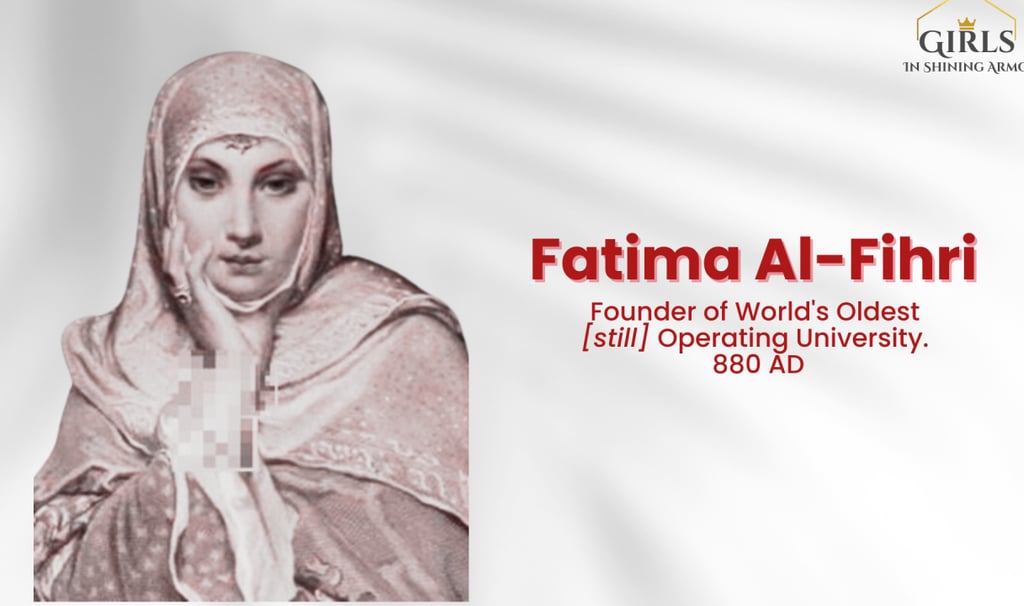
In the year 859 CE, while much of Europe was navigating the Early Middle Ages, a young woman in Fez, Morocco, was laying the first bricks of a revolution. Her name was Fatima al-Fihri, and she was about to build the world’s first degree-granting university.
From Refugee to Visionary
Fatima was born into a wealthy merchant family in Kairouan (modern-day Tunisia). Her family later migrated to Fez, a bustling metropolis of the Abbasid Caliphate.
After the untimely deaths of her father, brother, and husband, Fatima and her sister, Mariam, found themselves in possession of a massive inheritance. While many might have used such wealth for a life of leisure, Fatima had a different vision. She saw a growing community in need of more than just a place to pray, it needed a place to think.
The Founding of Al-Qarawiyyin
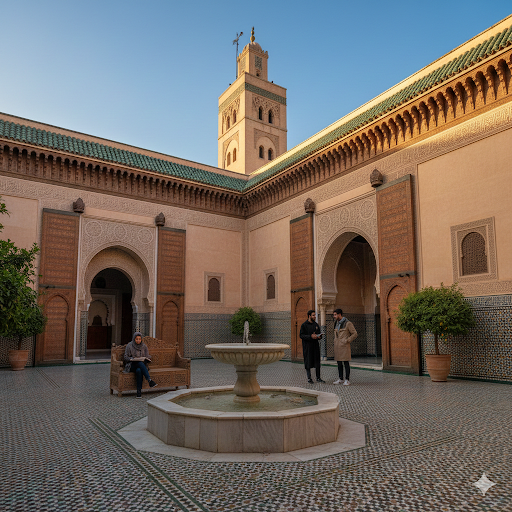
Fatima used her entire inheritance to fund the construction of the Al-Qarawiyyin Mosque and University.
A Labour of Devotion
Fatima was deeply involved in the construction process. Historical accounts suggest she fasted every single day from the moment construction began until the project was completed 18 years later, dedicating the effort as a spiritual act.
A Holistic Hub
What began as a mosque quickly evolved into a world-class centre of higher learning. It wasn't just for theology; scholars gathered there to debate astronomy, medicine, mathematics, and rhetoric.
Why She is the Mother of Modern Universities
You might wonder: weren't there schools before her? While ancient civilizations had centres of learning, Al-Qarawiyyin introduced formal concepts that we still use in the 21st century:
The Granting of Degrees: It is recognized as the first institution to issue certificates (known as an ijazah) to signify the completion of a specific course of study.
Academic Chairs: The university established specific "chairs" for different subjects, a system and terminology still used by prestigious institutions like Harvard and Oxford today.
Global Exchange: The university acted as a magnet for the world’s greatest minds. It is even believed that Pope Sylvester II studied there, later introducing Arabic numerals and the concept of 'zero' to Europe.
A Legacy That Never Closed Its Doors
While many ancient landmarks are now ruins, Fatima’s university is still a functioning, thriving institution over 1,100 years later. It is recognized by UNESCO and Guinness World Records as the oldest continually operating university in the world.
The Al-Qarawiyyin Library, which was recently restored, contains some of the most precious manuscripts in existence, including a 9th-century Quran written in Kufic script.
Fatima al-Fihri’s life teaches us that the greatest form of charity is knowledge. She didn’t build a monument to herself; she built a gateway for others to reach their potential.
Reflection
Next time you see a graduation cap and gown, remember that the tradition likely traces its roots back to the vibrant streets of 9th-century Fez and a woman who dared to spend her fortune on the future of the human mind.
Disclosure: As an amazon associate, I earn from qualifying purchases. This means if you click on a link and purchase a book, I may receive a small commission at no extra cost to you. Thankyou for supporting my blog :)
What are your thoughts? Do you have anything to share?
Please comment below :)
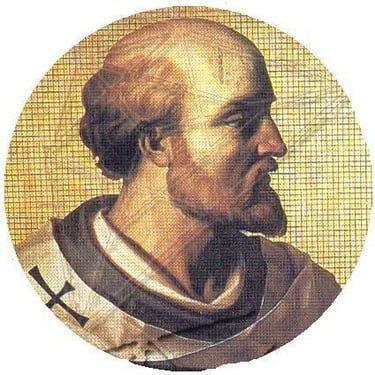
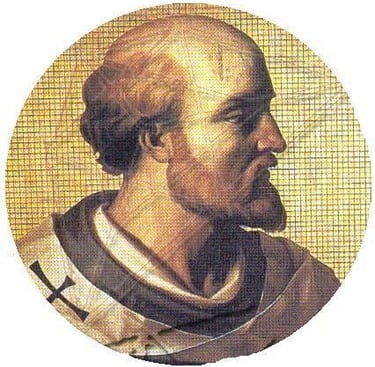
Pope Sylvester II
Connect
Reach out for support or thoughtful conversation
contact@theinsightfulheart.com
© 2025. All rights reserved.